


បច្ចេកវិទ្យា និងនវានុវត្តន៍

MISTI Links Research, Industry to Accelerate Innovation Transition
Phnom Penh, Cambodia — The Ministry of Industry, Science, Technology & Innovation (MISTI) on Monday convened a workshop to strengthen linkages between research institutions and industry, aiming to accelerate Cambodia’s transition toward a more innovation-driven, knowledge-based economy.
The workshop, titled “From Quality Research to Technology Transfer in Cambodia,” brought together approximately 100 participants from government institutions, academic research entities, and the private sector at Angkor Wat Hall to address ongoing challenges in translating research into practical technologies and policy tools.
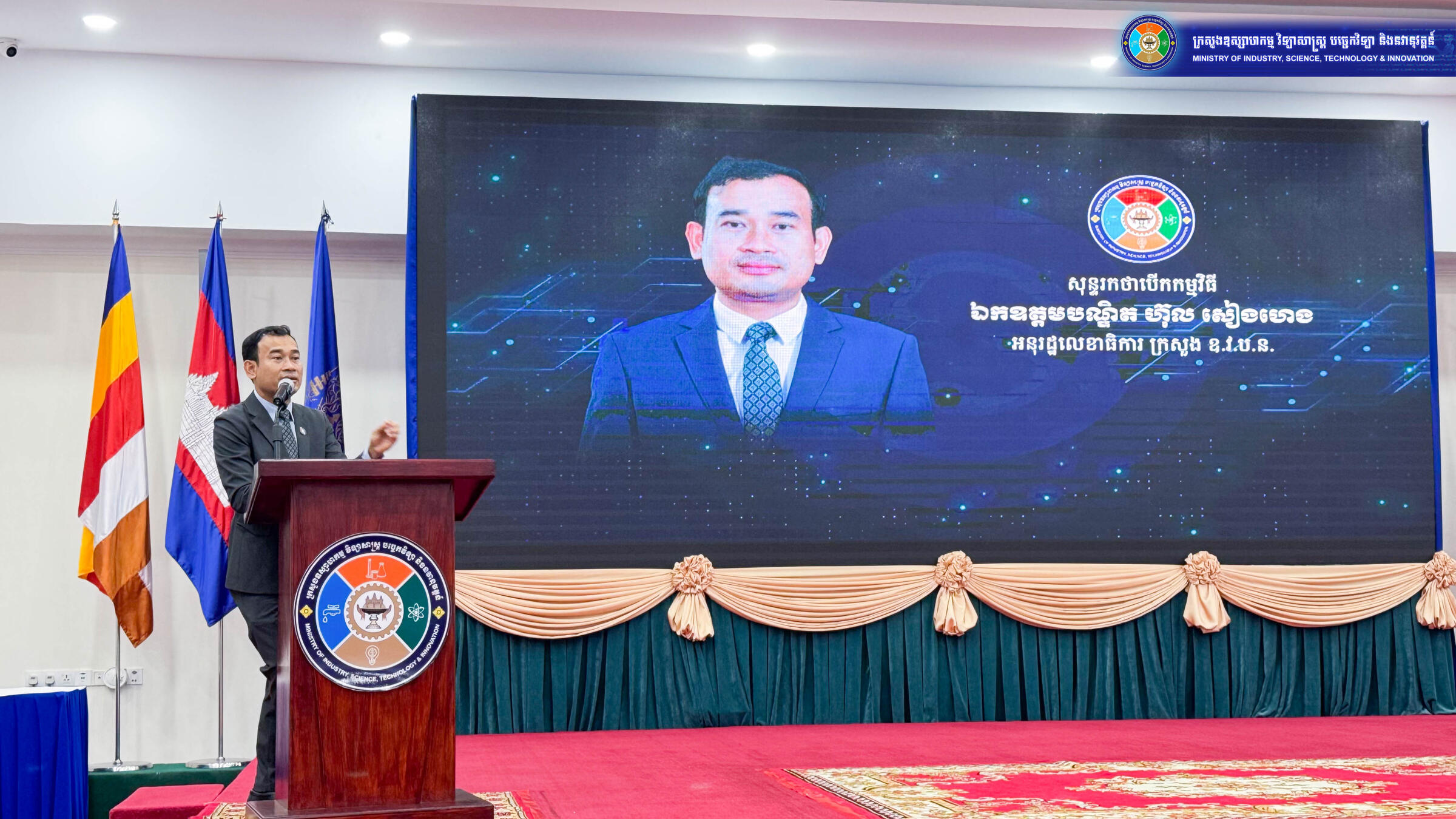
H.E. Dr. Hul Seingheng, Undersecretary of State of MISTI, emphasized that while research activities are increasing, their real impact depends on the quality of outputs, the effectiveness of commercialization, and their integration into policymaking and industry applications.
“Mission-oriented research seeks to provide a systematic approach to achieving specific goals using solution-based and results-oriented methods.”
Speaking during his keynote address, he underscored the need to better align scientific investment with national priorities, particularly the eight priority missions under the National Research Agenda 2025, ranging from food security and carbon neutrality to digitally enabled healthcare services.
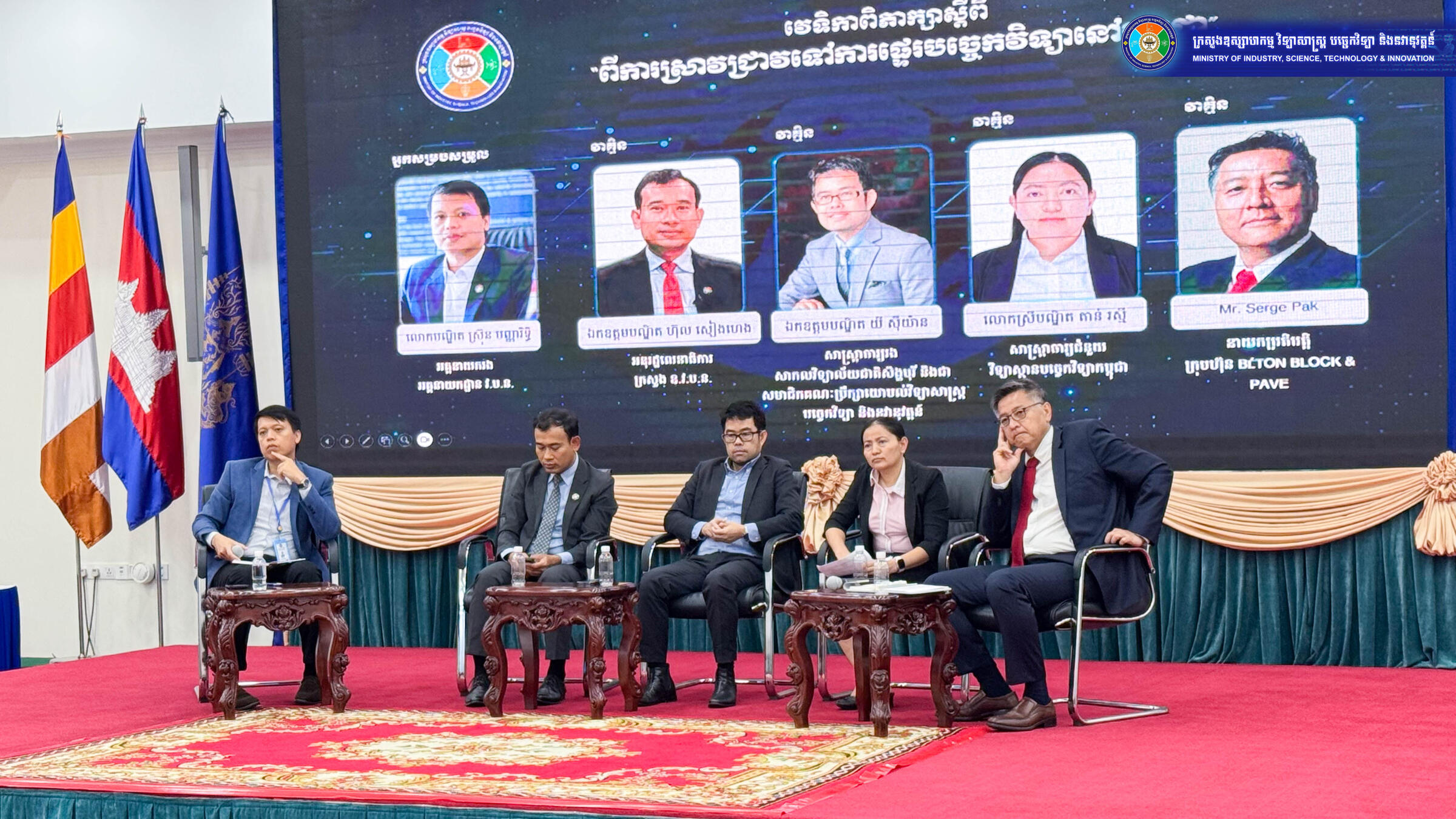
The workshop also featured case studies on strengthening health systems through research and technology transfer for public health policy, alongside initiatives supporting Small and Medium Enterprises (SMEs) in the local food sector. Professor Dr. Yi Siyan of the National University of Singapore (NUS) highlighted the NUS Cambodia Program, which focuses on translating public health research into evidence-based actions.
Dr. Hul Seingheng noted that many developed countries have successfully embedded Research and Development (R&D) into their development strategies. He encouraged Cambodia to strengthen human capital and R&D capabilities as a foundation for achieving its long-term national visions for 2030 and 2050.
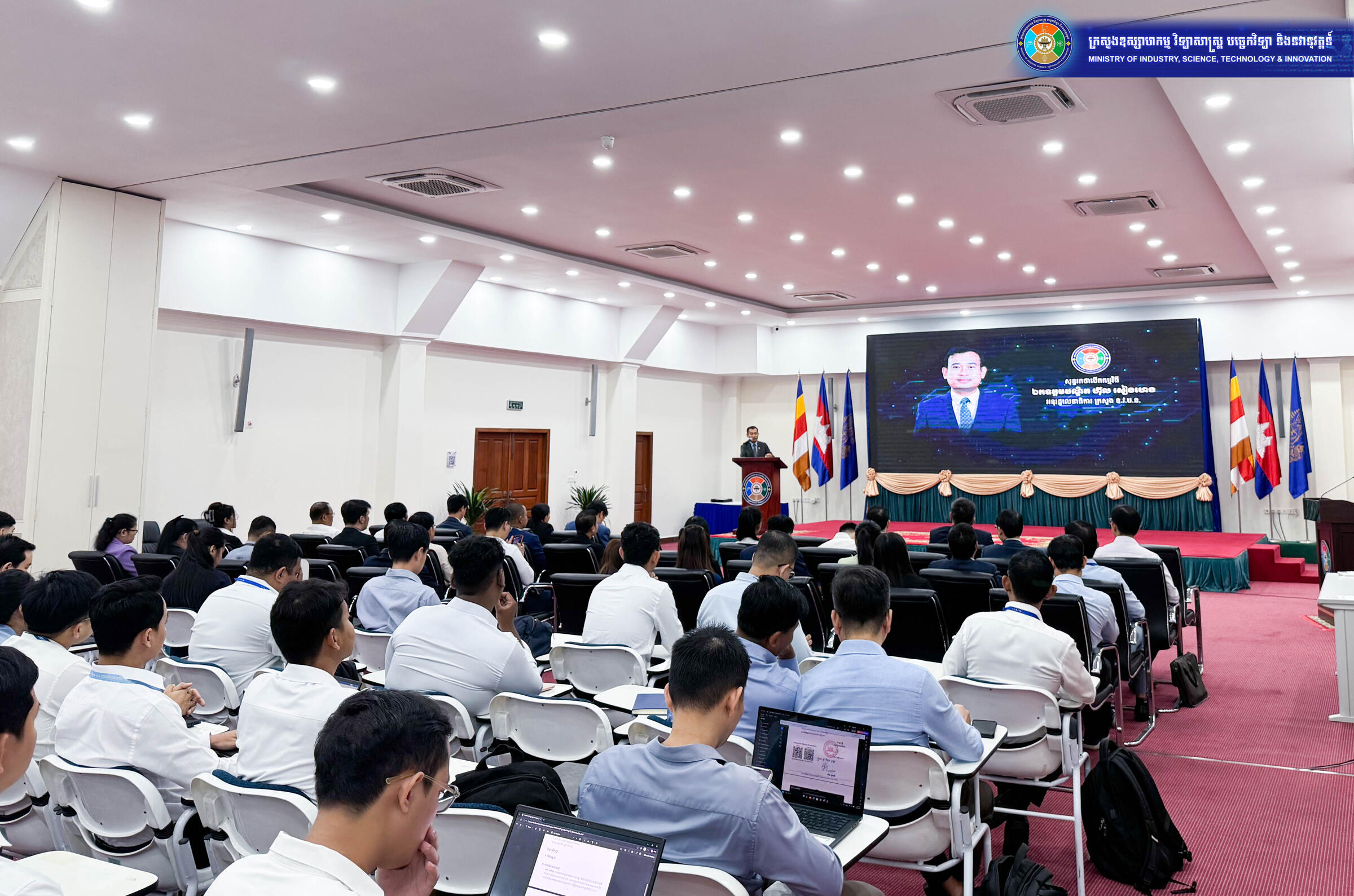
He concluded by stressing the central role of science and technology in national development: “No country has achieved socio-economic growth without strengthening national scientific and technological competitiveness, particularly through investment in Research and Development.” He also called for building a “reliable” innovation ecosystem with strong leadership and long-term vision to transform research into real-world solutions.
common.relatedNews